26.02.2026

Feasibility study in construction: solutions, tools, and best practices for securing a project

Feasibility study in construction: solutions, tools, and best practices for securing a project, reducing risks, and avoiding delays and administrative rejections.

Feasibility study in construction: solutions, tools, and best practices for securing a project

Why feasibility studies are key in construction

A construction feasibility study makes it possible to determine in advance whether a project is feasible from a technical, regulatory, functional, and economic standpoint.

It is a decisive step in avoiding unfeasible projects, administrative rejections, construction delays, and major cost overruns.

In a context where projects are increasingly complex and subject to strict regulatory constraints, the feasibility study has become a risk management tool, rather than a simple preliminary formality.

What is a feasibility study for a construction project?

A construction feasibility study is a structured analysis aimed at verifying whether a project can be carried out in accordance with existing constraints before committing to heavy investments.

It answers a simple question:

Can the project be built as planned without encountering any major obstacles?

A feasibility study generally covers:

  • regulatory feasibility (urban planning, permits, standards),
  • technical feasibility (location, surface areas, physical constraints),
  • functional feasibility (program, uses, project consistency),
  • operational feasibility (deadlines, sequence of stages).

How does a construction feasibility study work?

A feasibility study is based on a cross-analysis of several key elements of the project.

Components analyzed in a feasibility study

An effective feasibility study is based on:

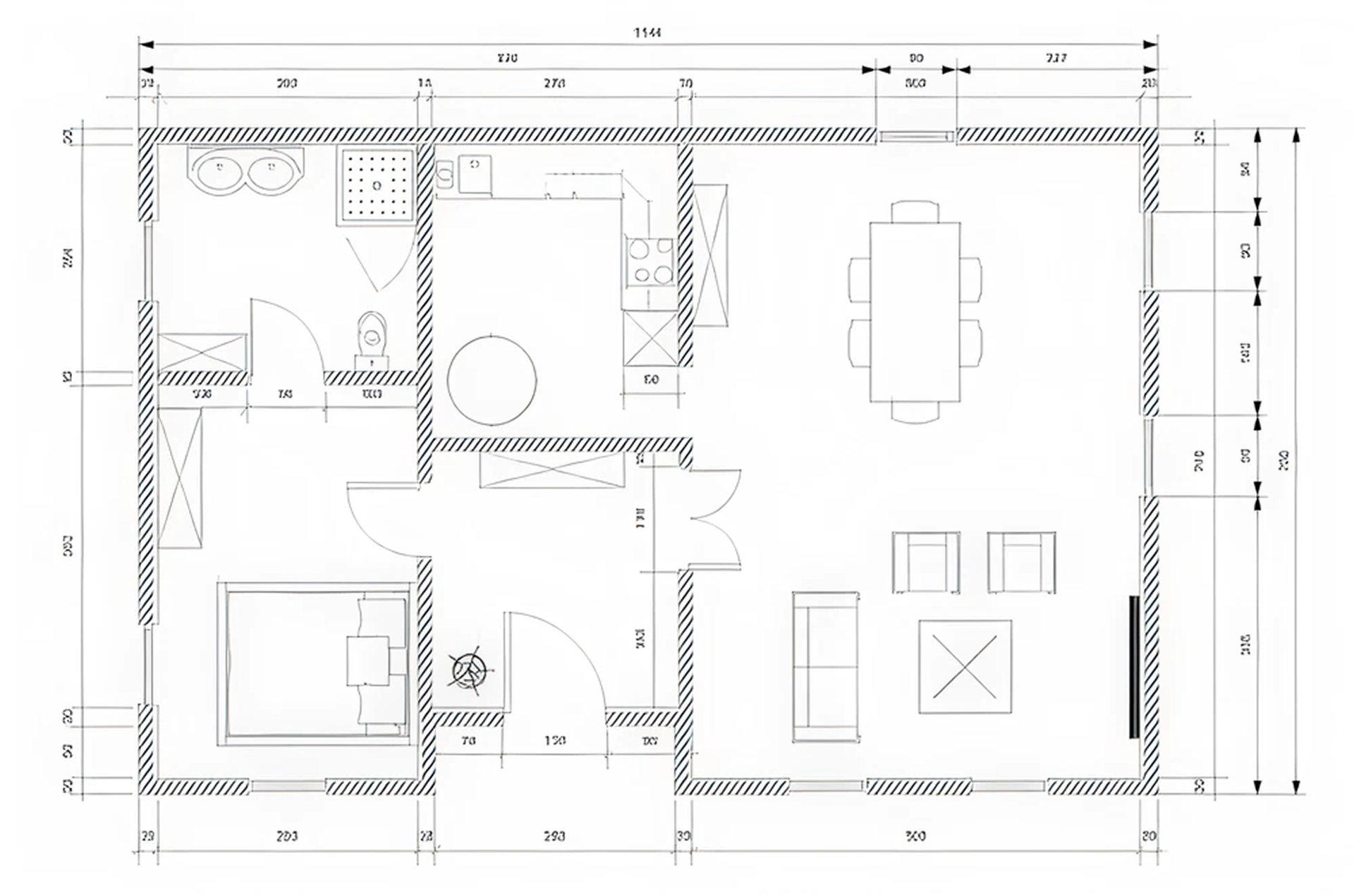
  • architectural plans (sketches, preliminary design, detailed design),
  • program documents and specifications,
  • urban planning regulations applicable to the site,
  • technical regulations (safety, accessibility, standards),
  • constraints specific to the land or existing building.

The aim is to identify incompatibilities before they become obstacles.

The role of tools and platforms in feasibility studies

Digital tools now make it possible to automate part of the analysis and verify more quickly:

  • the consistency of plans,
  • compliance with regulatory constraints,
  • the suitability of the program and design.

Specialized platforms are gradually replacing lengthy, partial manual studies with more comprehensive and faster analyses.

Organization and management of the feasibility study

A feasibility study can be carried out:

  • internally by project teams,
  • by design offices or consultants,
  • or via specialized plan verification platforms.

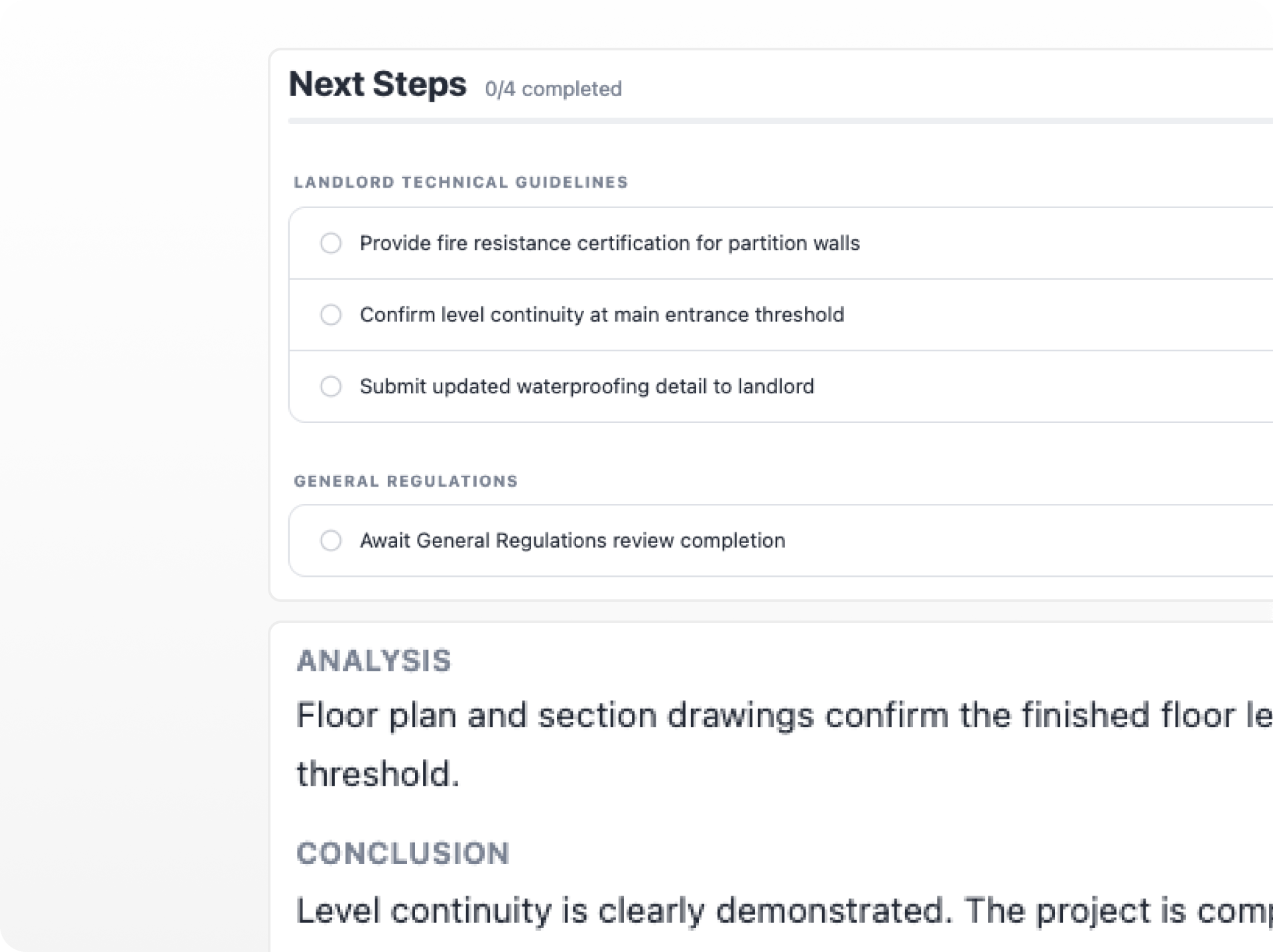
Effective management relies on clear, usable, and directly actionable feedback for decision-making.

What are the benefits of a well-conducted feasibility study?

A well-conducted feasibility study can significantly reduce project risks.

Key benefits

The key benefits include:

  • early detection of design errors,
  • reduction of the risk of permit refusal,
  • limiting construction delays,
  • lower costs associated with design revisions,
  • improved decision-making in the early stages.

Concrete use cases for feasibility studies

Feasibility studies are used in particular:

  • before purchasing land or real estate assets,
  • before applying for a building permit,
  • when deciding whether to proceed with a project,
  • to secure a project with high financial stakes,
  • in projects subject to significant regulatory constraints.

How to choose a solution for conducting a feasibility study

The choice of a feasibility study solution depends on the level of risk of the project and the degree of reliability expected.

Technical criteria to consider

An effective solution must allow for:

  • direct analysis of plans,
  • consideration of applicable regulations,
  • comprehensive coverage of the project,
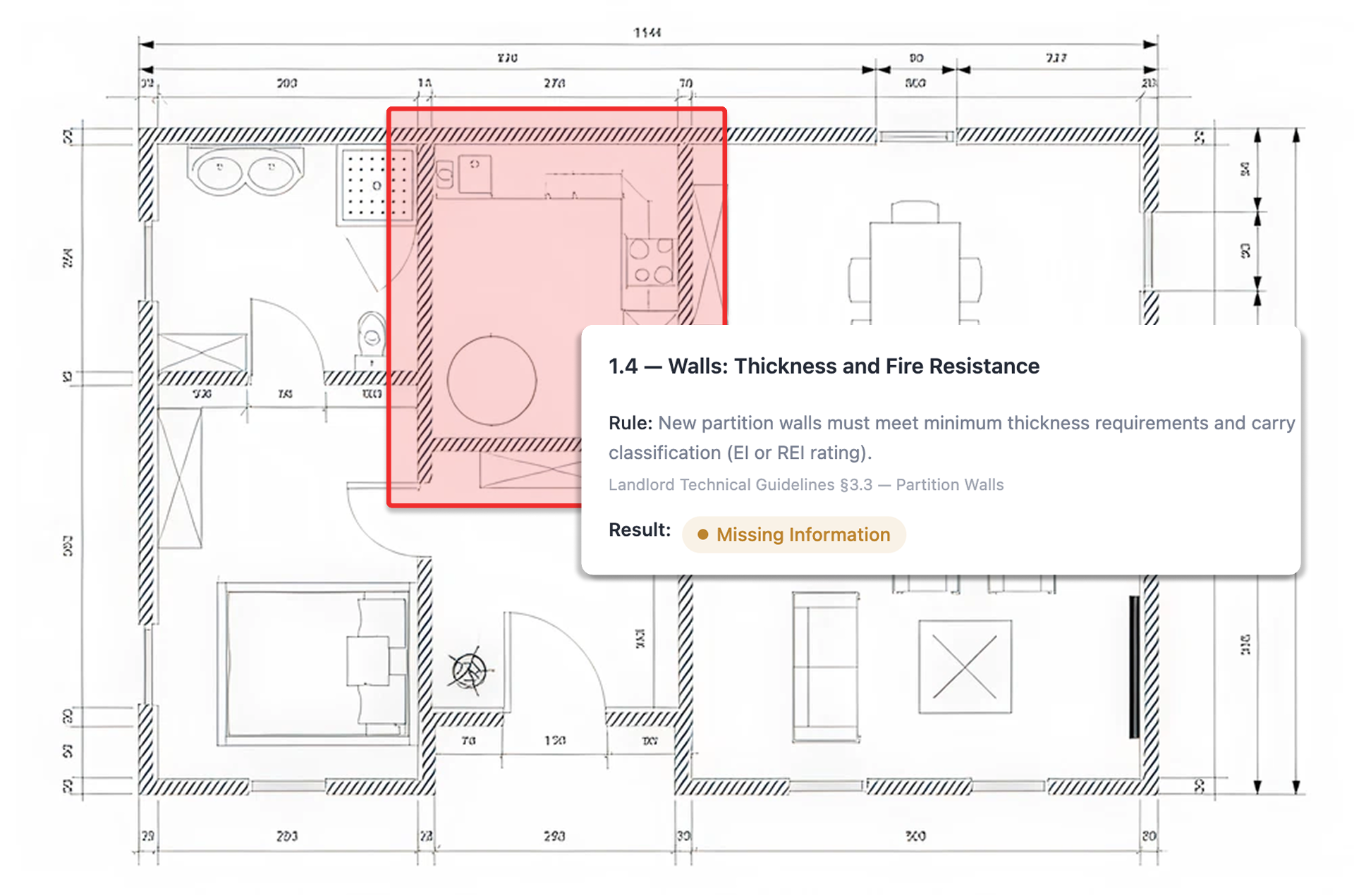
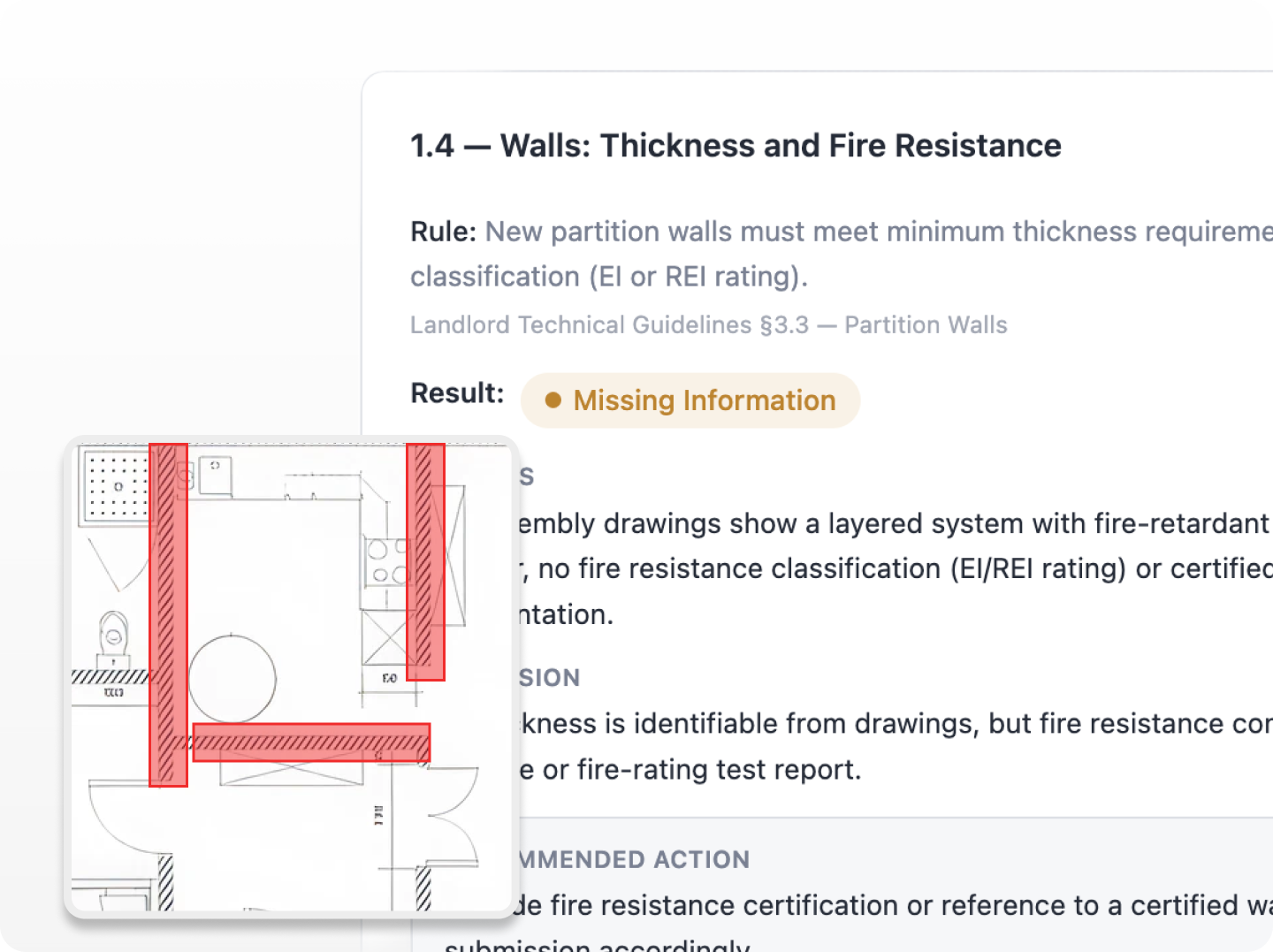
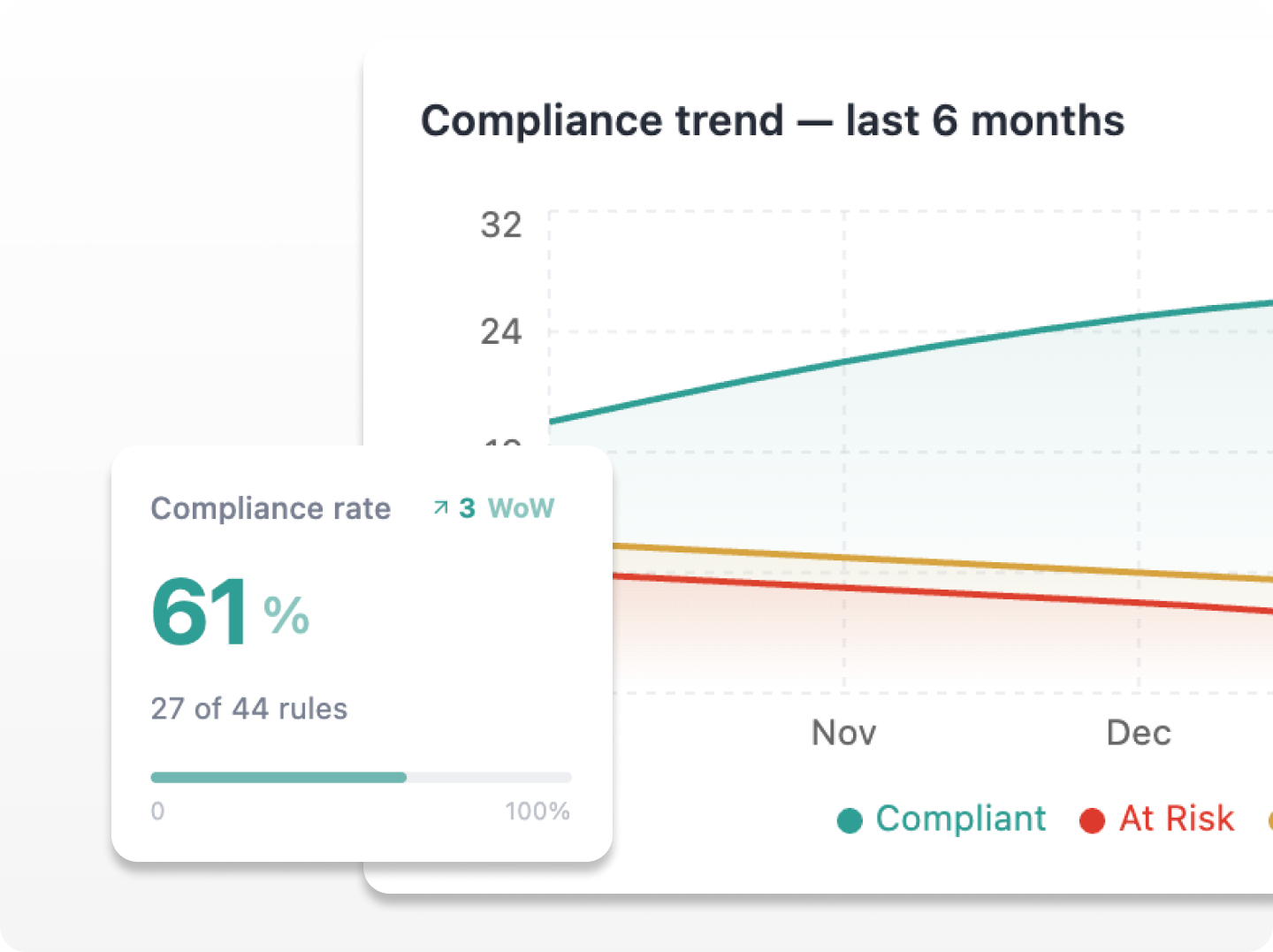
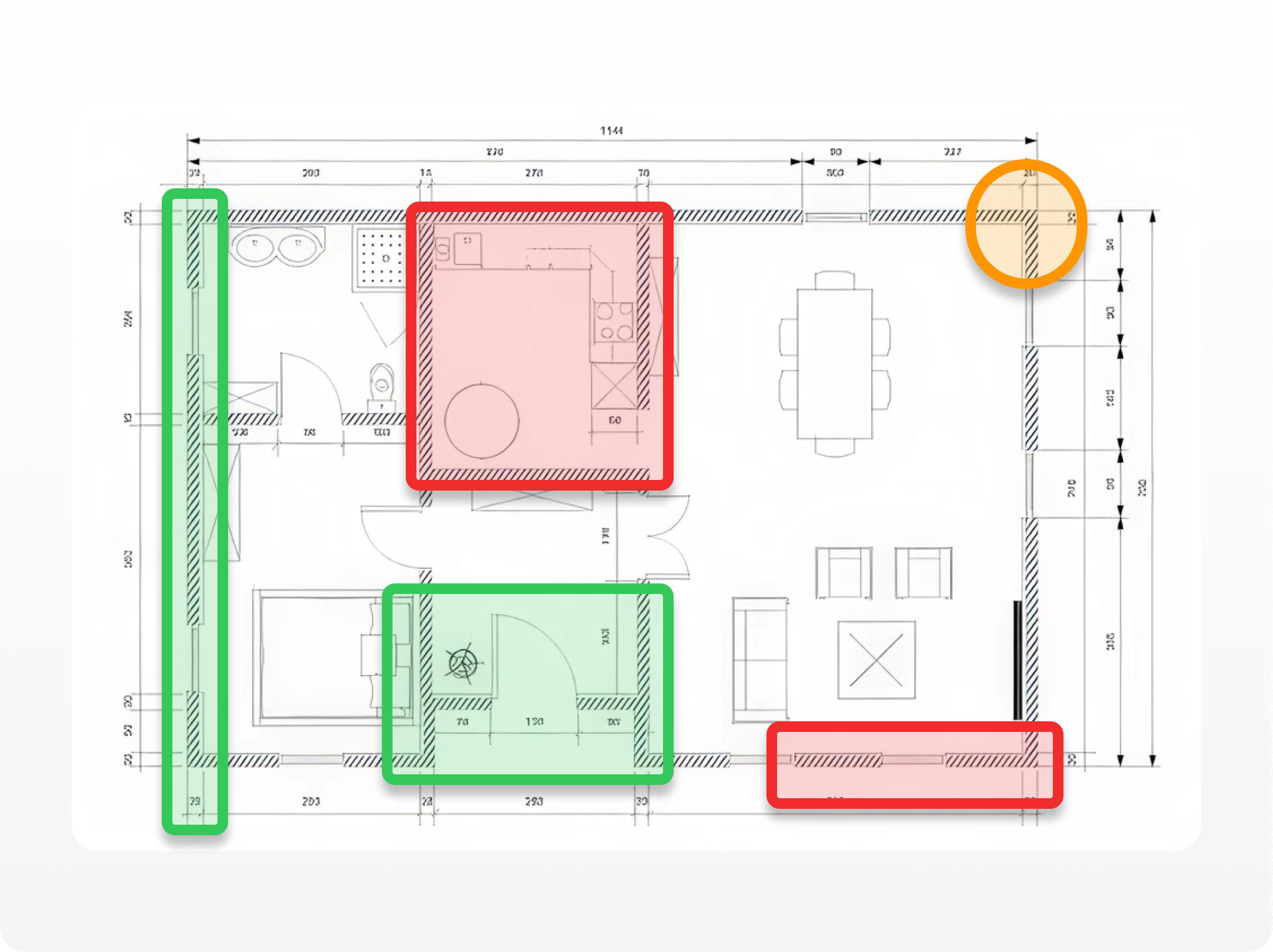
  • clear reporting of compliant and non-compliant items.

Organizational and operational criteria

Beyond the technical aspects, it is essential to consider:

  • speed of analysis,
  • ease of use,
  • the ability to intervene at an early stage,
  • the readability of deliverables for non-technical decision-makers.

Freeda's role in construction feasibility studies

Freeda is a platform specializing in plan verification and feasibility analysis for construction projects.

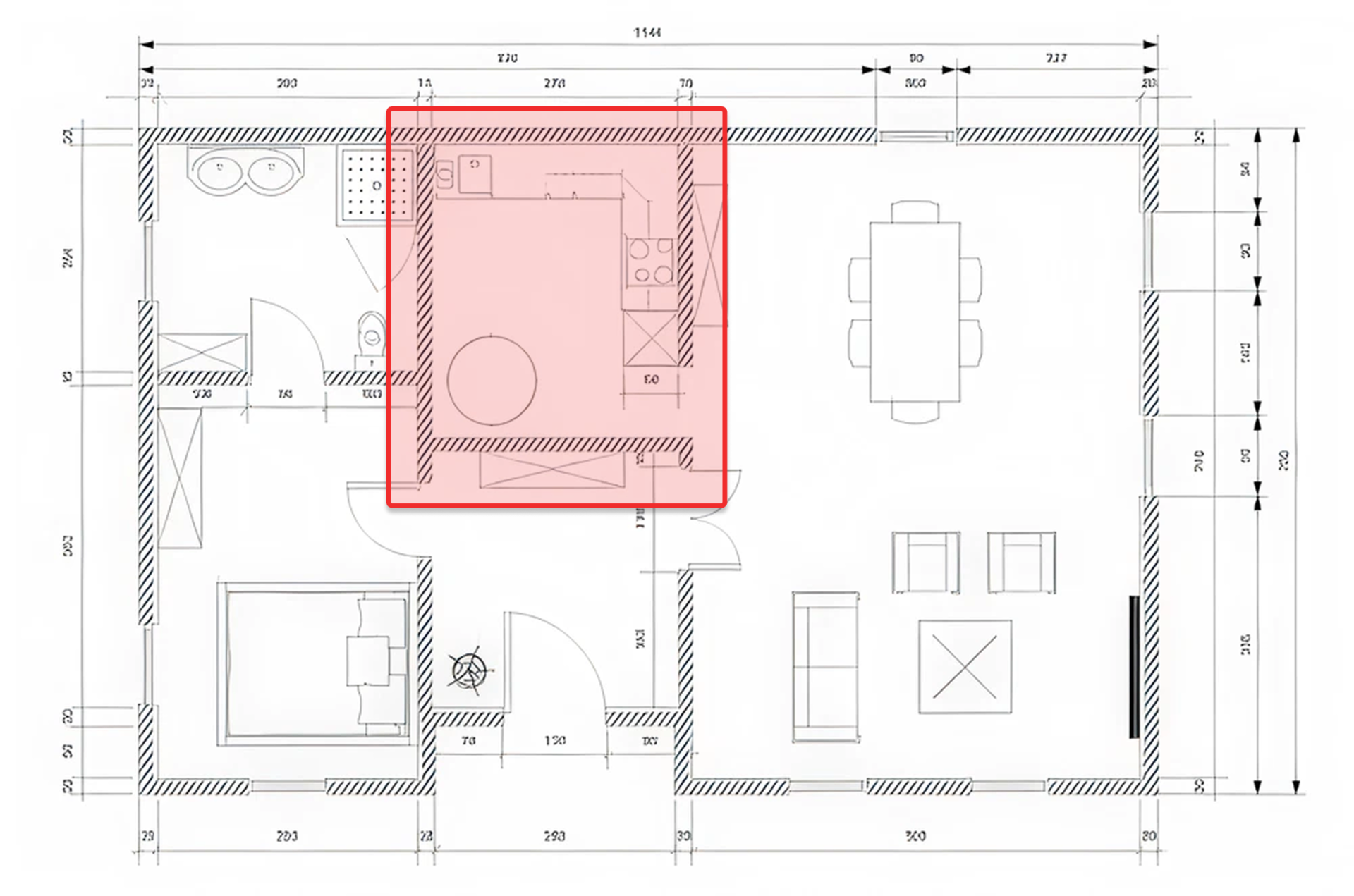
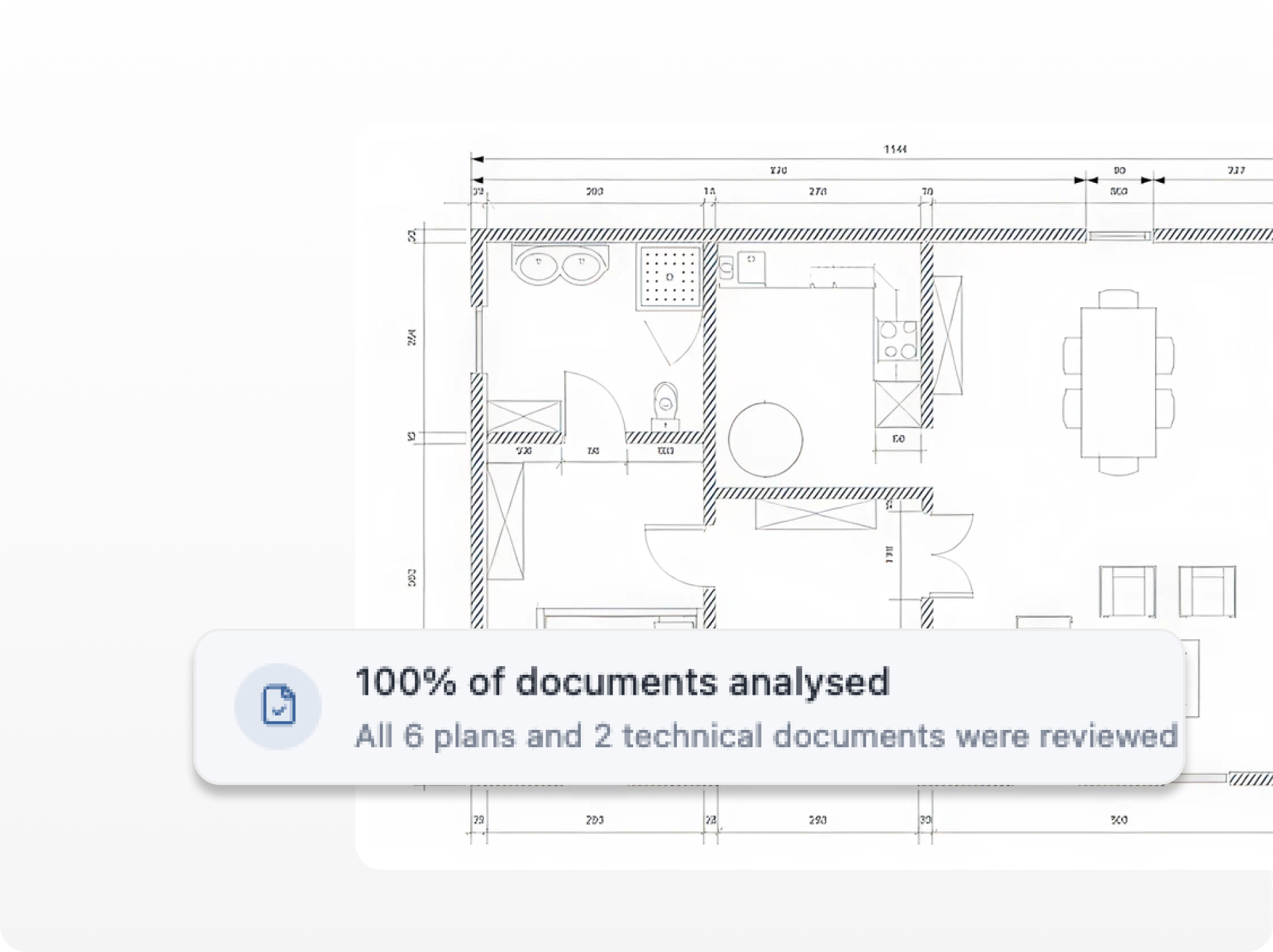
Unlike traditional approaches, Freeda works directly on the plans to:

  • analyze regulatory feasibility,
  • verify compliance with the client's requirements,
  • detect technical and functional inconsistencies.

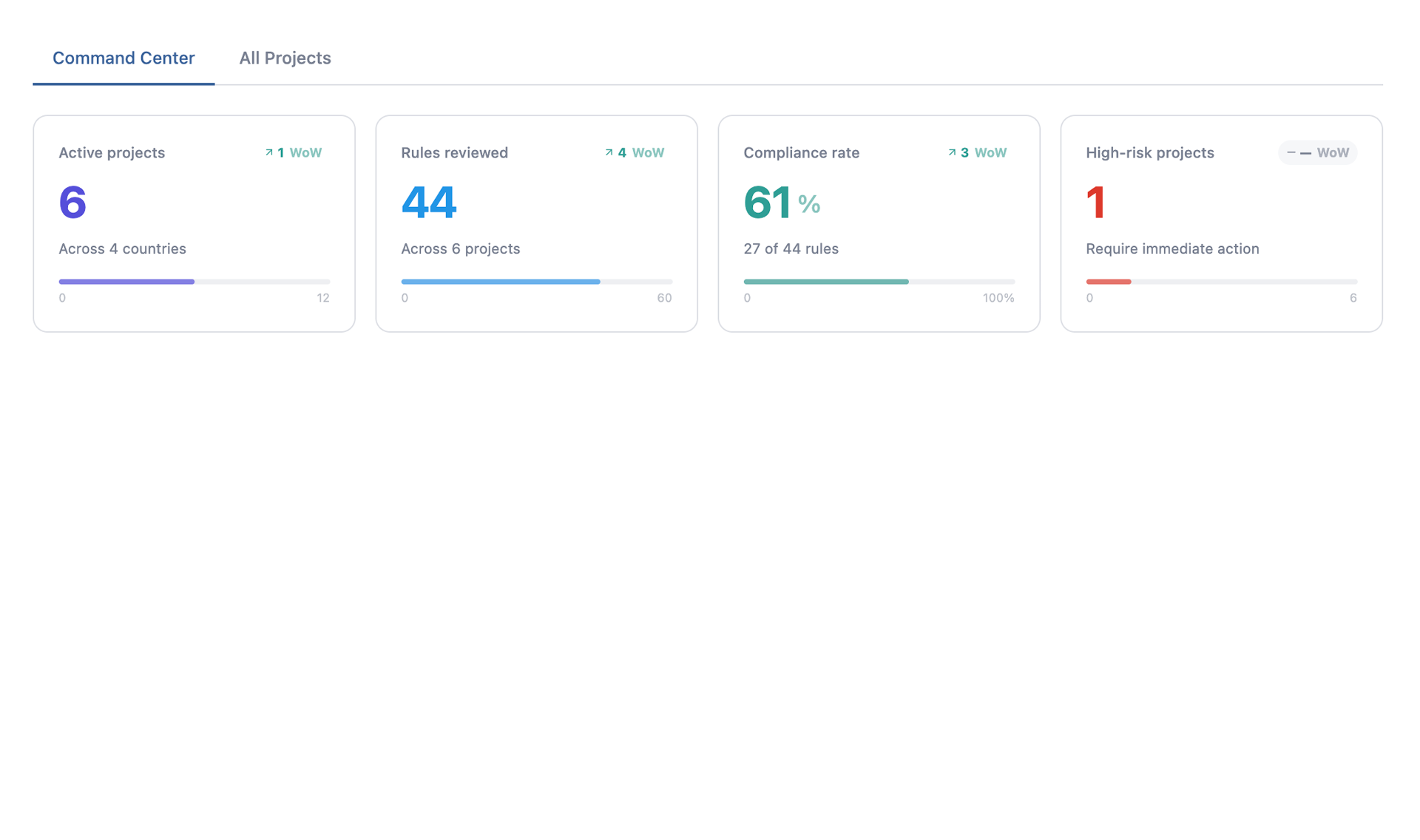
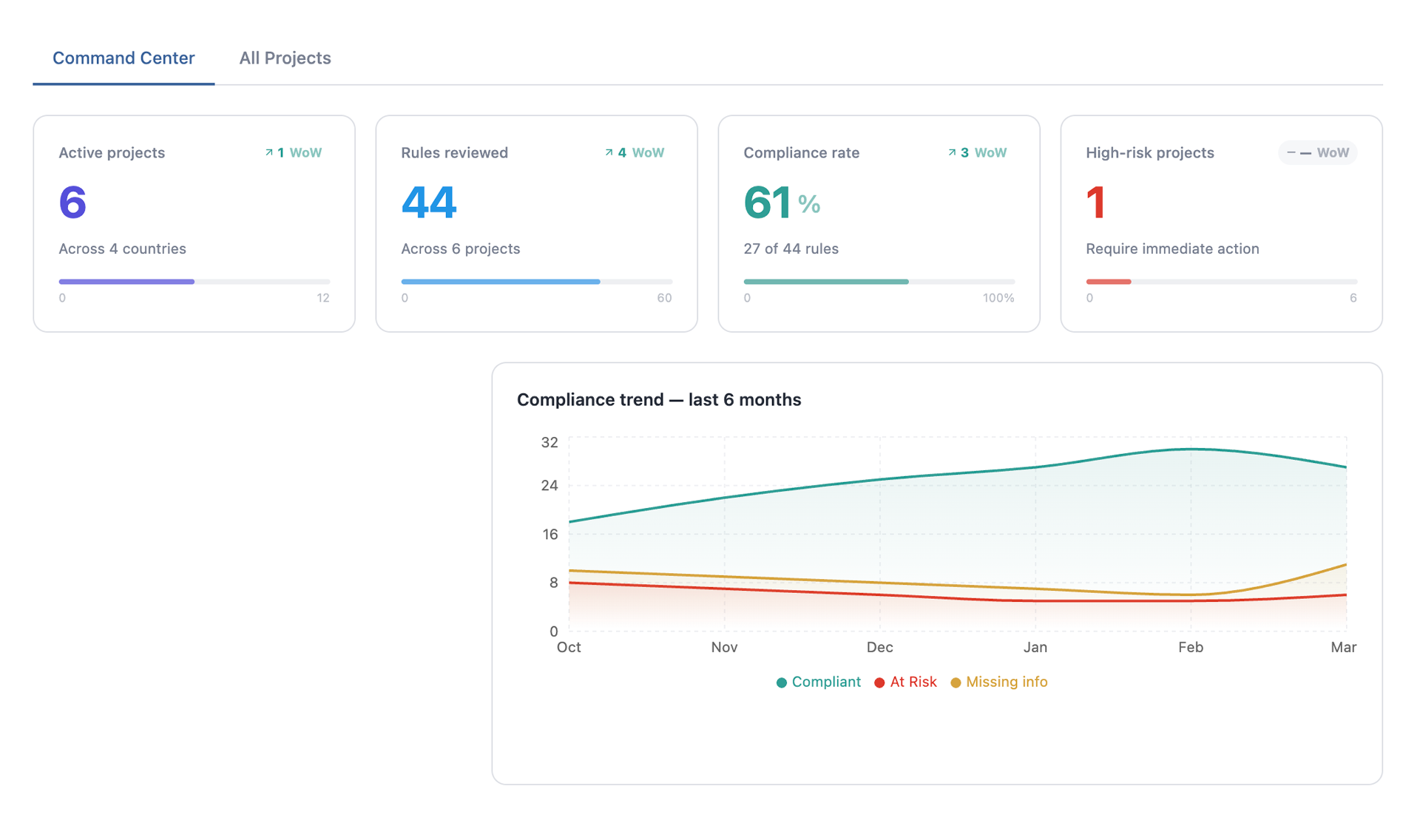
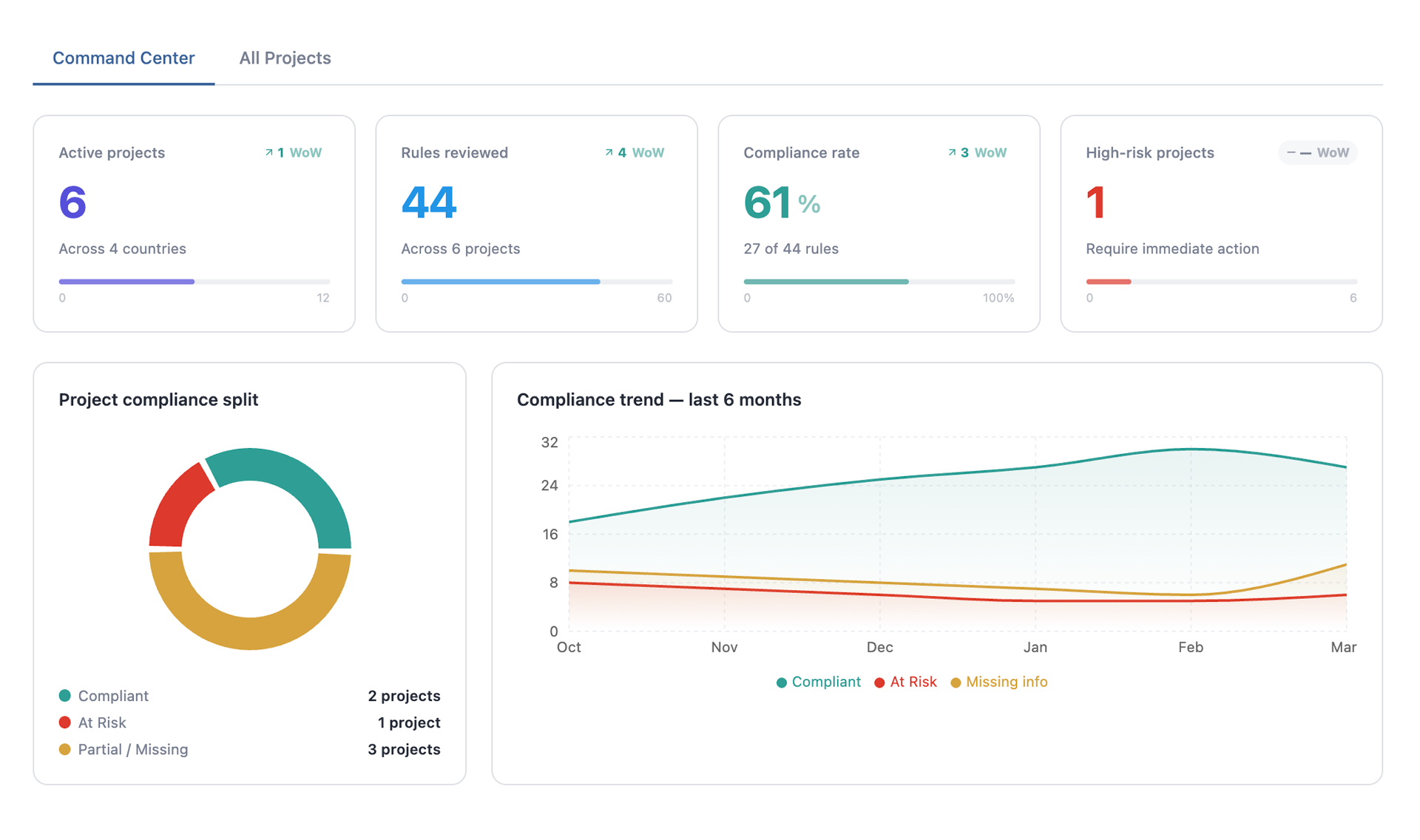
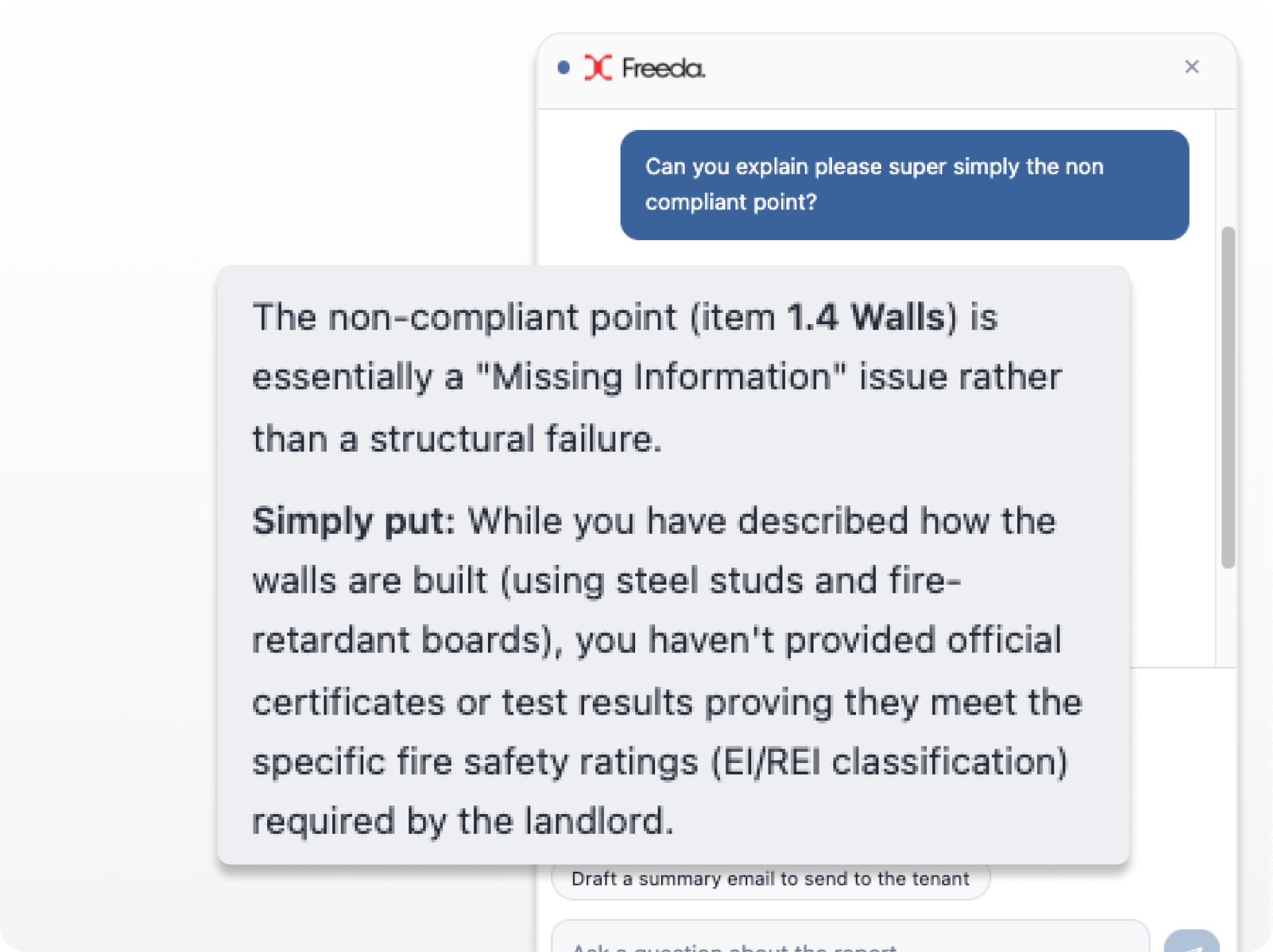
Freeda uses a hybrid approach combining automated analysis and expert validation, enabling it to provide actionable annotated reports in less than 48 hours.

Differences between Freeda and traditional solutions

Freeda stands out thanks to:

  • a comprehensive analysis of plans, rather than a partial one,
  • intervention very early on in the project,
  • directly understandable visual feedback,
  • an approach focused on risk prevention rather than corrective action after the fact.

Freeda is particularly well suited to projects with high financial, regulatory, or scheduling stakes.

FAQ: Feasibility study in construction

What solutions are available for conducting a feasibility study for a construction project?

Solutions include design offices, specialized consultants, and plan verification platforms such as Freeda, which directly analyze feasibility based on plans and regulatory constraints.

What tools can be used to conduct a feasibility study for a construction project?

Tools range from plan analysis software to specialized platforms capable of verifying regulatory compliance, program consistency, and technical risks.

Is there software available for conducting a construction feasibility study?

Yes, there is software and digital platforms dedicated to feasibility analysis, allowing certain checks to be automated and speeding up decision-making.

What is the best tool for a construction feasibility study?

The best tool is one that directly analyzes plans, integrates the project's regulatory constraints, and provides quickly actionable results, as does a specialized platform such as Freeda.

What is the best service for conducting a feasibility study?

An effective service combines speed, comprehensiveness, and readability of results. Today's plan verification platforms make it possible to secure projects upstream more reliably than manual approaches alone.

How can the feasibility of a construction project be verified?

Feasibility is verified by analyzing the plans in light of regulatory, technical, and programmatic constraints, ideally before the permit is submitted and work begins.

Are there solutions for conducting a feasibility study before submitting a permit application?

Yes, there are solutions that allow you to check the feasibility and compliance of a project before submitting the permit application in order to avoid rejections and requests for modifications.

Why carry out a feasibility study prior to a construction project?

Conducting a feasibility study in advance allows you to anticipate obstacles, secure investment decisions, and reduce the risk of delays and cost overruns.

[MORE information]
Don't See your Specific Use Case ?
Custom challenges ? No problem.
If you've got plans to review and timelines to protect, we can help.
Every projects has unique requirements. Let's discuss yours.
arrow rightarrow right